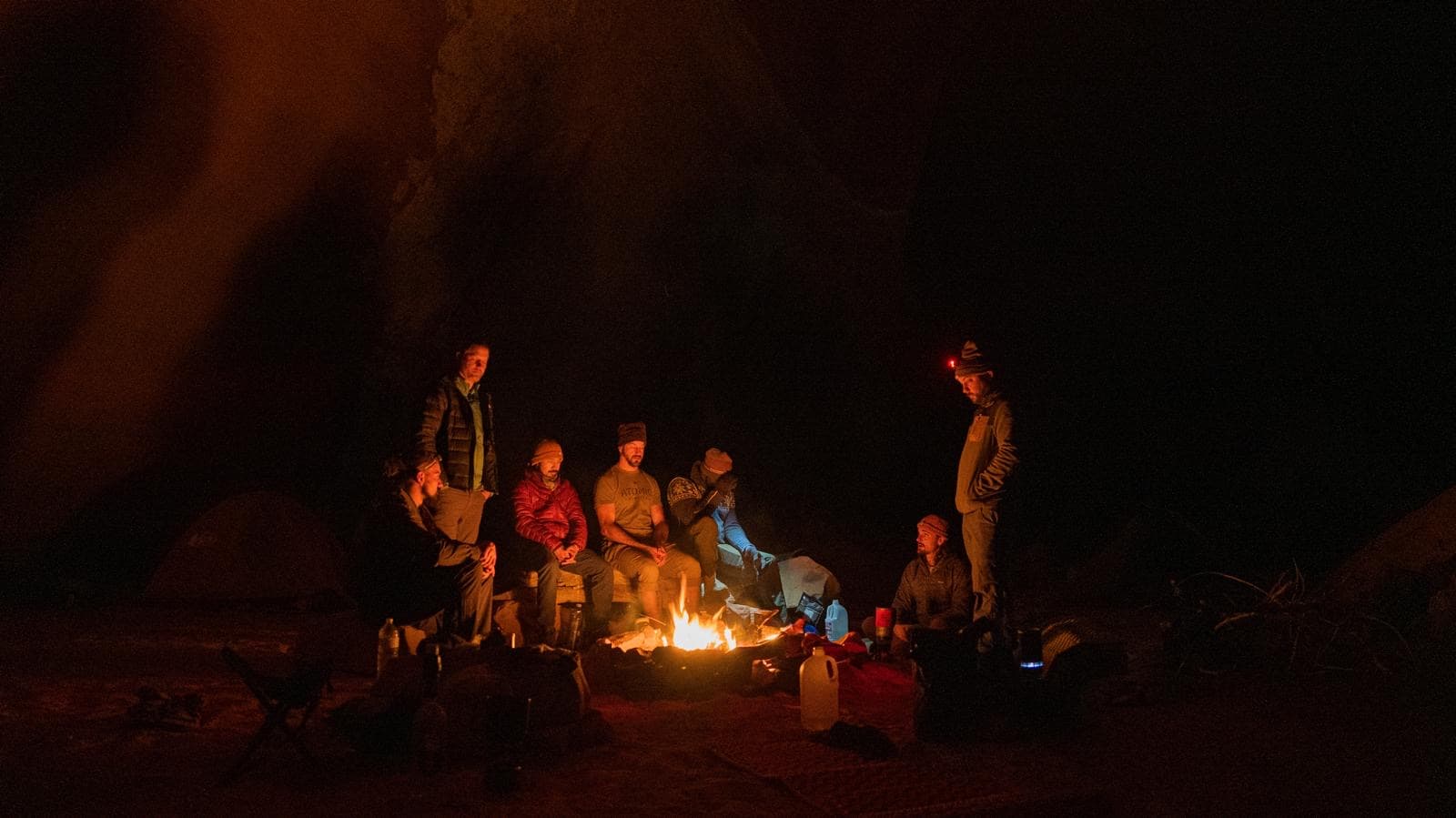
A Partnership Proposal · Trails of Transformation
Where the Wild Meets
the Work of Healing.
A proposal for addiction treatment centers seeking to expand their continuum of care through nature-based, community-driven wilderness experiences for men.
The Problem We Share
Recovery does not happen in isolation.
And it does not happen in a conference room. Men struggling with addiction and mental illness are often fighting battles that go far deeper than substance use — battles with identity, belonging, self-worth, disconnection, and a profound sense of being unseen.
Traditional treatment models address the clinical. But the soul needs something different. Research consistently shows that nature immersion reduces cortisol, lowers anxiety, improves mood regulation, and activates the parasympathetic nervous system — the very system that addiction suppresses.
Time in wild places does not replace clinical treatment. It deepens it. It reaches the parts that talk therapy alone cannot.
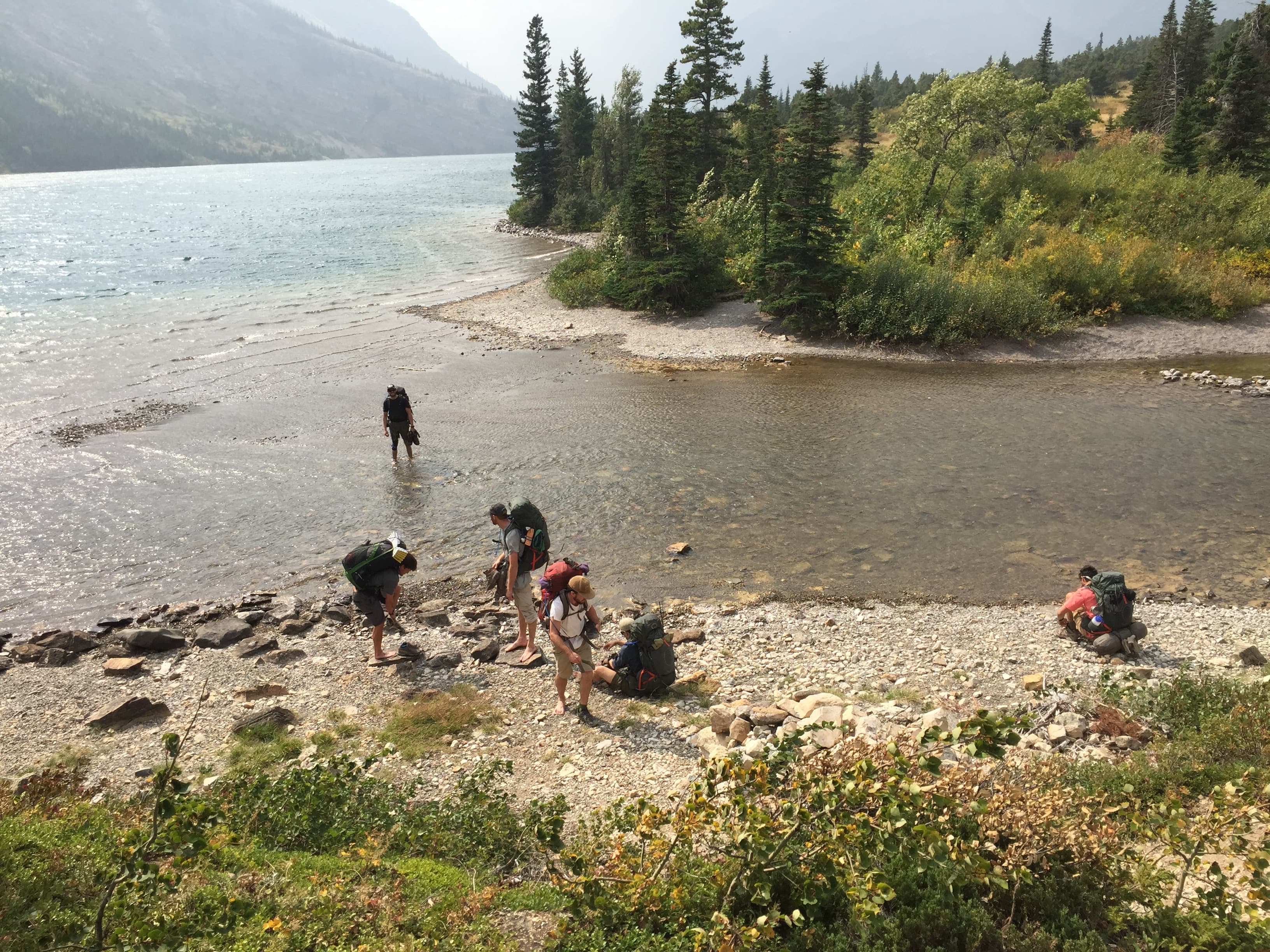
Glacier National Park, Montana — a previous Trails of Transformation expedition.
What We Offer
Four Pillars of the Work.
Trails of Transformation leads small, intentional men's backpacking expeditions into some of the most remote and breathtaking wilderness in the American Southwest. These are not recreational trips. They are structured experiences built around four pillars.
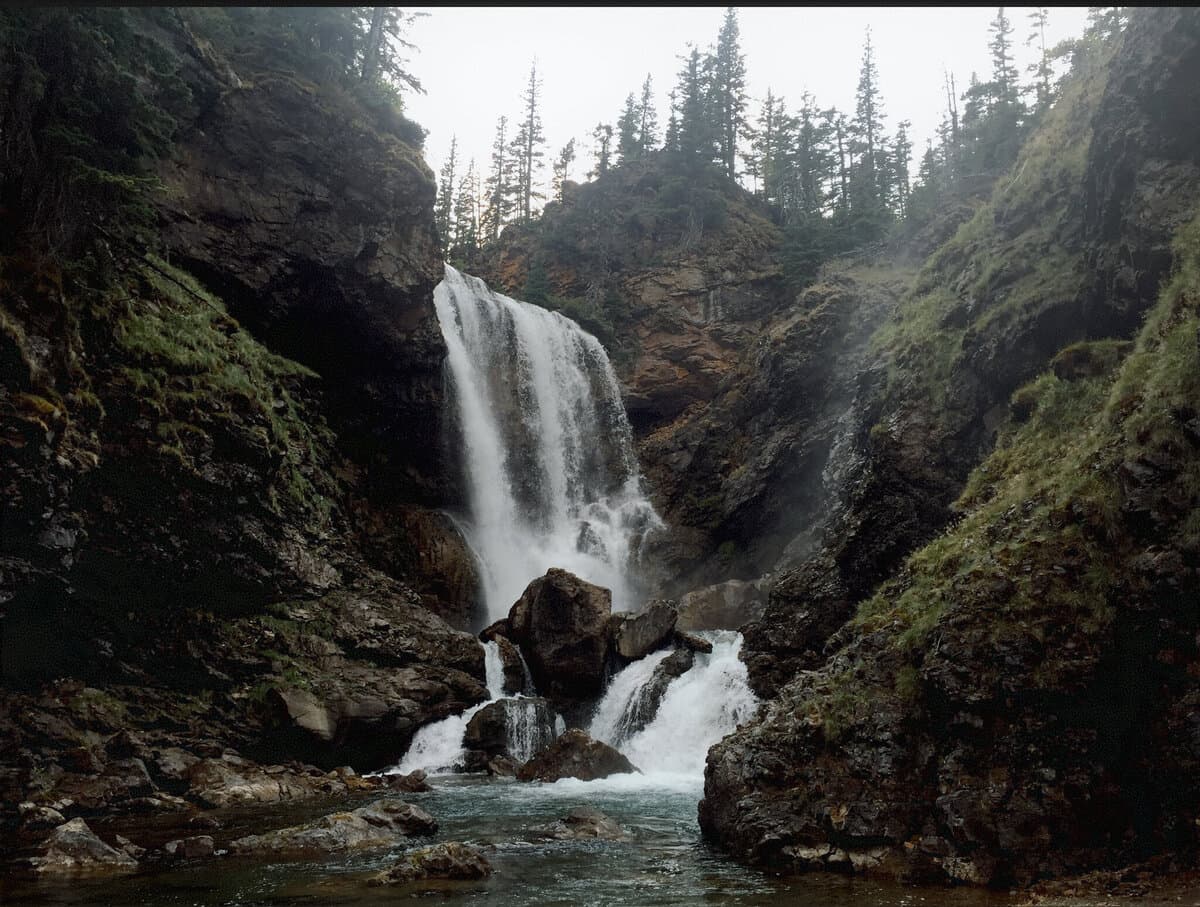
Nature Immersion
Carrying only what you need. Moving through landscape that is indifferent to your history and honest about what you are made of. The wilderness has a way of stripping away performance and revealing what is true.
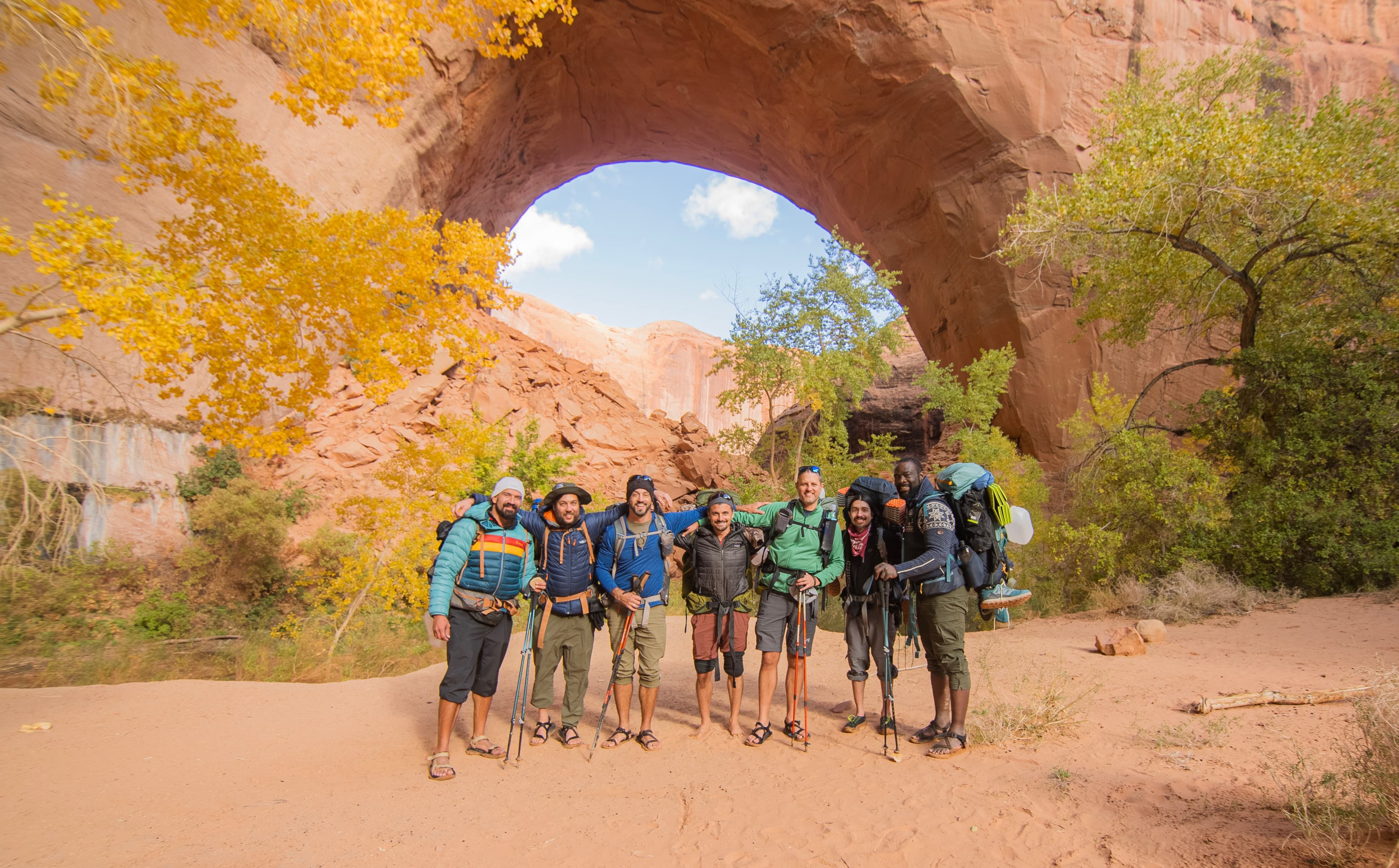
Vulnerable Brotherhood
Small groups of 6 to 8 men, guided intentionally through shared challenge and shared presence. Being witnessed in your struggle — and witnessing others in theirs — builds a quality of trust and connection that transforms how men understand themselves and each other.
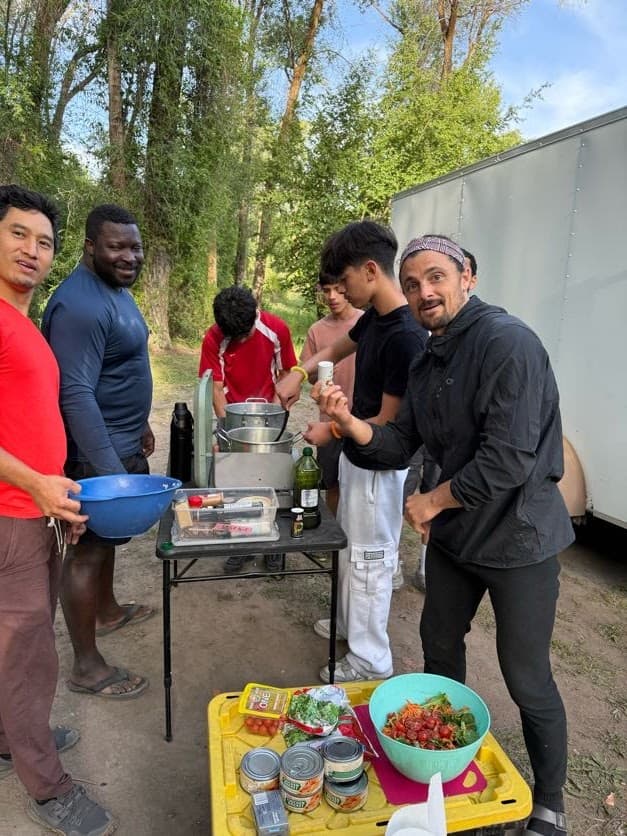
Inner Wilderness Exploration
The external journey mirrors the internal one. As men navigate terrain, they navigate themselves. Facilitated reflection, honest conversation around the fire, and intentional silence create space for insight, grief, and breakthrough.
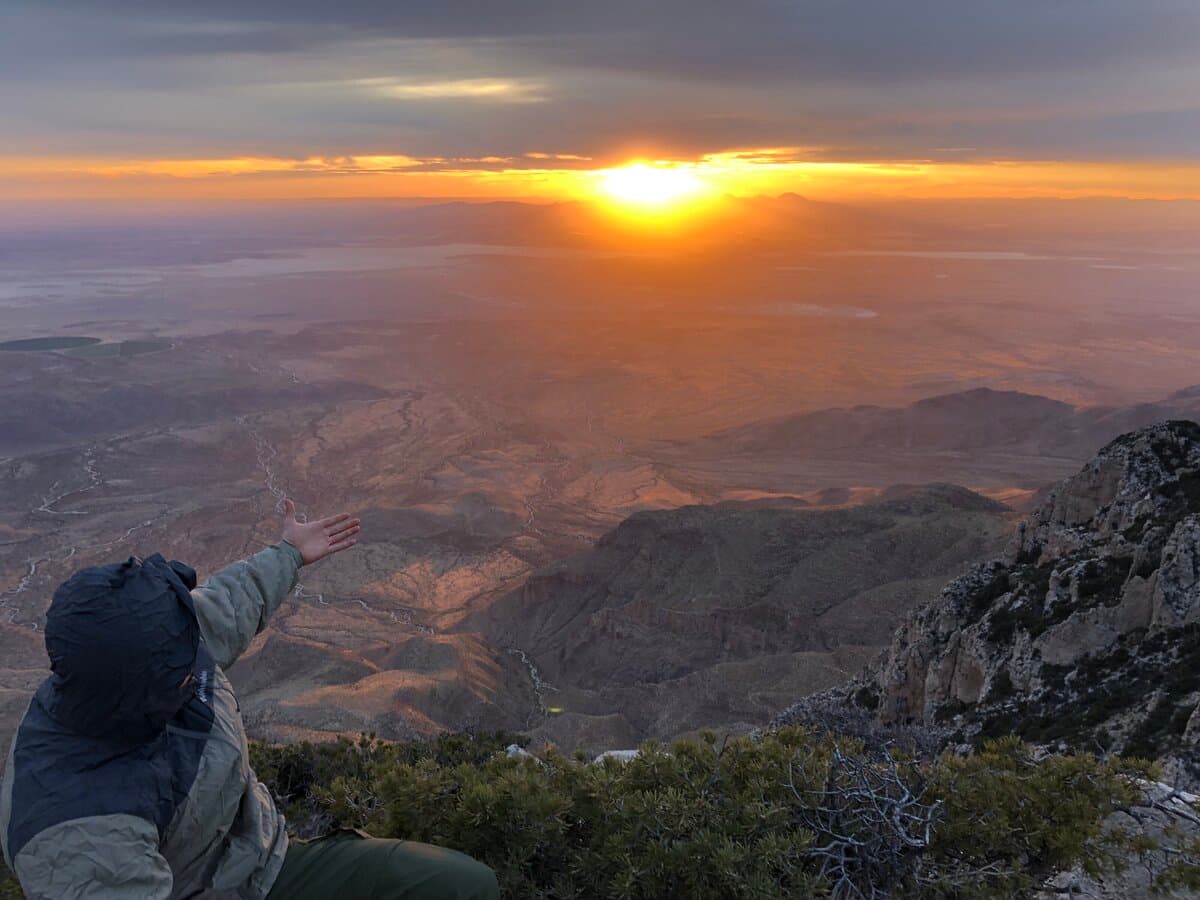
Embodied Healing
Physical challenge, time in nature, and the absence of digital distraction recalibrate the nervous system in ways that extend long beyond the trip itself. Men return different — not because something was added, but because something was remembered.
The Research
The Evidence Behind the Work.
This is not anecdotal. A growing body of peer-reviewed research supports what guides and clinicians have observed for decades — that nature heals, that shared challenge builds lasting bonds, and that wilderness-based programs meaningfully improve outcomes for men in recovery. Below are key findings from published studies.
59% more likely to report good health.
A landmark 2019 study published in Scientific Reports drew on nearly 20,000 respondents across 18 countries and found that people who spent at least 120 minutes per week in nature were significantly more likely to report good health and high wellbeing — regardless of how that time was distributed. For men in recovery, whose nervous systems are often dysregulated and depleted, regular time in nature is not a luxury. It is medicine.
White et al. (2019), Scientific Reports — Read the study
85% of studies show positive outcomes for nature-based addiction intervention.
A 2023 systematic review published in a peer-reviewed journal screened over 8,000 articles published between 2013 and 2023, ultimately analyzing 21 studies on natural environment interventions and drug dependence. 85% of those studies showed positive outcomes — including direct improvement in drug dependence, reduced use, and improved treatment engagement across alcohol, tobacco, opioids, and other substances.
Iheanacho et al. (2023), International Journal of Innovative Environmental Studies Research — Read the study
Adventure-based programs reduced relapse rates by 27–53%.
A 2023 meta-analysis found that adventure-based interventions reduced 12-month relapse rates by 27 to 53 percent compared to standard outpatient care alone. In a separate study, only 31 percent of adventure therapy participants had relapsed at 10 months post-program, compared to 58 percent in the comparison group receiving traditional treatment. These numbers represent real people — men who stayed sober because something reached them that talk therapy alone could not.
Journal of Substance Abuse Treatment (2023) meta-analysis; Black Bear Lodge clinical review — Read more
Men-only groups dramatically improve treatment engagement.
A 2020 study on men with depression found that men-only group settings were described by participants as a key factor in successful treatment engagement. Participants reported that gender-specific groups reduced the social risk of vulnerability and created conditions in which honest emotional engagement became possible. For many men, the presence of other men — not clinicians — is what makes it safe enough to tell the truth.
Momentum Recovery (2024), citing peer-reviewed research on gender-specific adventure therapy — Read more
Peer bonds built through shared challenge outlast treatment.
Research on social bonding consistently shows that doing something difficult alongside someone creates trust faster and more durably than verbal interaction alone. In addiction recovery, peer bonds are one of the strongest predictors of long-term sobriety. Programs that generate those bonds through shared physical experience — not just group discussion — are building something that clinical treatment alone rarely produces.
Momentum Recovery (2026), The Research Case for Adventure Therapy in Addiction Treatment — Read the research
Nature is not a supplement to recovery. For many men, it is the threshold through which recovery becomes possible.
This Is Personal
This Is Personal.
I know what addiction costs. I have paid some of that price myself — and watched people I love pay the rest.
In my early twenties, I was asked to leave UT for two semesters. I was kicked out of the dorms. I lost my job. I was arrested. I woke up in a hospital. What I could not see then — what addiction rarely lets you see — is that beneath the drinking was a young man who had no idea who he was, what he felt, or how to say any of it out loud.
It was outpatient treatment at La Hacienda, and backpacking, that began to change that. Not because someone fixed me. But because for the first time, I was in an environment that asked something true of me — and gave me the space to respond honestly.
My father drank throughout my childhood. I spent years holding my breath, waiting for our family to fall apart, watching my mother plead with him to stop. My uncle — the man I hunted and fished with, whose laugh I can still hear — became addicted to alcohol and pain medication. The damage he left behind still moves through our family like a current. He died in an HEB, alone, after falling and hitting his head.
Addiction does not stay in one person. It travels. It inherits. It waits.
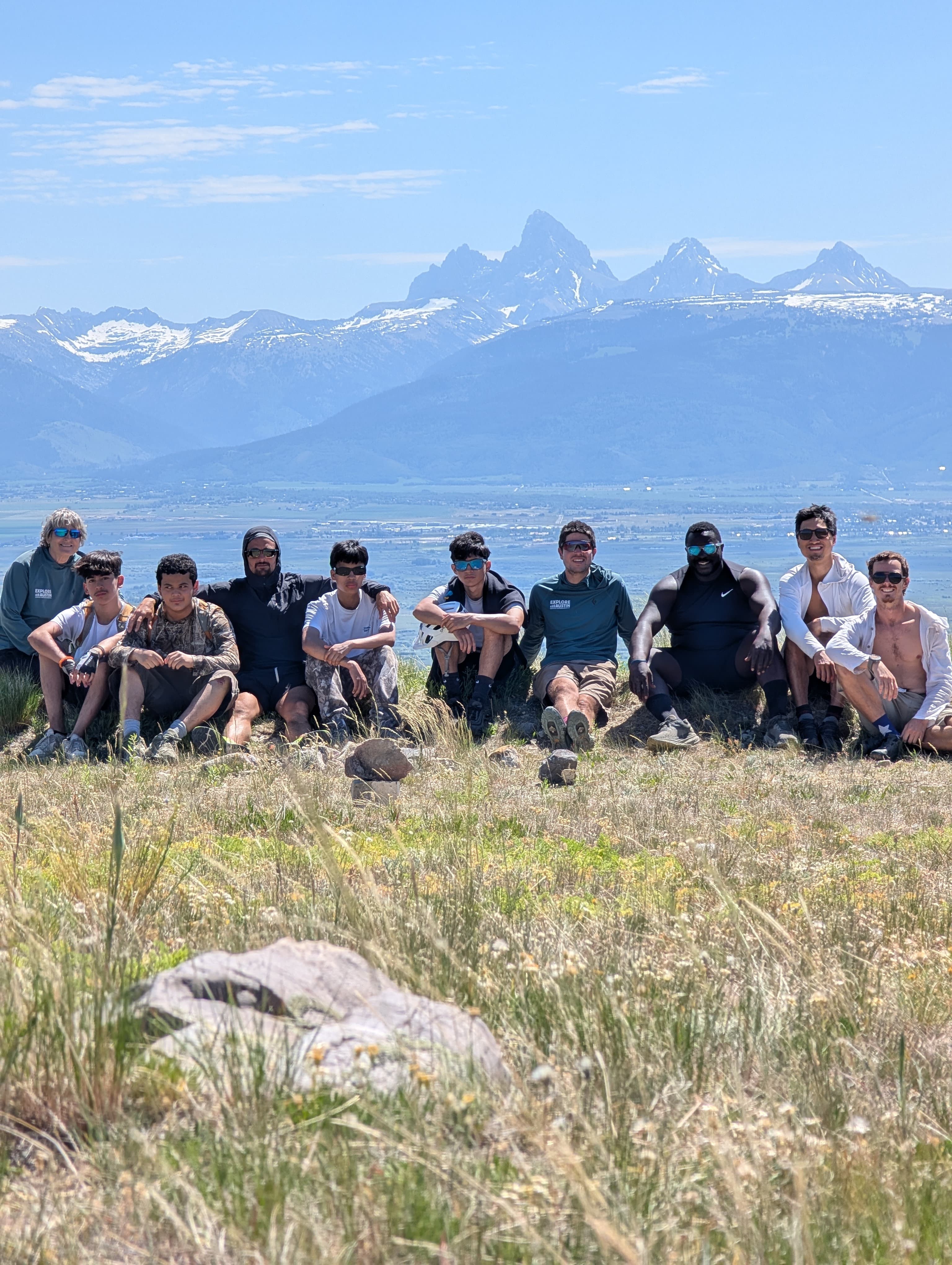
For six years I worked with Explore Austin — taking young men from underserved communities in Austin into the wilderness, from sixth grade through senior year of high school. I watched boys who had never been seen as leaders become exactly that. I watched confidence grow in real time, out on a trail, at the edge of something hard and beautiful. I watched what happens when a young man is witnessed by a safe, caring, present man — and realizes for the first time that he is worth witnessing.
That is why I built Trails of Transformation. Not as a program. As an answer to something I have lived.
“The wilderness does not fix you. It shows you that you were never broken — only lost. And it gives you the landscape to find your way back.”
— John Thomas di Bari
The Container
What the Experience Looks Like.
Every Trails of Transformation expedition is built on a simple conviction — that the wilderness does the deepest work when it is held inside an intentional container. These are not casual camping trips. They are structured threshold experiences, designed to move men from isolation into connection, from shame into honesty, and from survival into something that feels worth surviving for. Here is how we hold that container.
A window into what awaits — footage from a mens trip to Coyote Gulch in 2024.
The Opening Circle
On the first evening, before the trail begins, the group gathers around the fire. Each man shares two things: what he is leaving behind on this trip, and what he is hoping to find. This single practice does more in twenty minutes than most programs accomplish in a week. It creates immediate permission for honesty, establishes that this is a different kind of experience, and reminds every man in the circle that he is not alone in what he carries.
Daily Morning Check-In
Each morning begins with a simple question before boots hit the trail. How did you sleep? What is alive in you today? These are not therapy prompts — they are presence practices. They train men to track their inner state rather than suppress it. Over the course of a week in the wilderness, this daily ritual becomes one of the most anticipated moments of the day.
Evening Fire Conversations
Every evening, the group gathers around the fire for one structured conversation. A question is offered. Men respond when they are ready. There is no cross-talk, no fixing, no advice. Just honest men speaking and being heard — often for the first time in their lives. Questions include: Tell us about the first man you ever looked up to — and what happened to that. What do you want the men in your life to know about you that they do not? What are you most afraid of returning to when this trip ends? These conversations do not replace therapy. They make therapy more possible.
Man of the Day
Each day, one man leads. He chooses an activity, a teaching, a practice, or a skill he cares about — and he brings it to the group. One man might lead a breathwork session. Another might teach the group to identify edible plants. Another might share a poem that saved his life, or lead the group in a song, or teach everyone how to read a topographic map. The activity itself matters less than what it represents: a man being seen in his competence, his passion, and his knowledge. For men who have largely been witnessed in their brokenness, being witnessed in their power is one of the most quietly transformative moments of the entire expedition. We call it Man of the Day — and it becomes, for most men, the thing they talk about long after the trip ends.
Solo Time
On one afternoon mid-expedition, each man is given two to three hours of intentional solitude in the wilderness. He goes alone, with a journal prompt, into the landscape. The prompt is simple: Write a letter to the version of yourself who was at his lowest. Tell him what you know now. Silence and solitude in wild places do things that cannot be manufactured in any clinical setting. Men return from solo time changed — quieter, clearer, and more their own.
The Closing Ceremony
On the final evening, the group gathers one last time. Each man offers one word for what he is carrying home, and one commitment he is making to himself — spoken aloud, witnessed by every man in the circle. The expedition is then closed with prayer and gratitude. This ceremony marks the trip as a threshold. There is a before. There is an after. And the men who stand in that circle know the difference.
Before departure, we coordinate directly with each client's treatment team — establishing clinical context and any relevant considerations for their time in the field. When the expedition ends, we provide a written summary of each participant's engagement and breakthroughs to support continuity of care. This is not an add-on to your program. It is an extension of it.
A Gap Worth Filling
A Gap Worth Filling.
Austin has exceptional addiction treatment. This city is home to serious programs doing serious work — programs built by people who care deeply about the men and women in their charge. The clinical work happening here is real, and it is making a difference.
This is an invitation to take that work one step further.
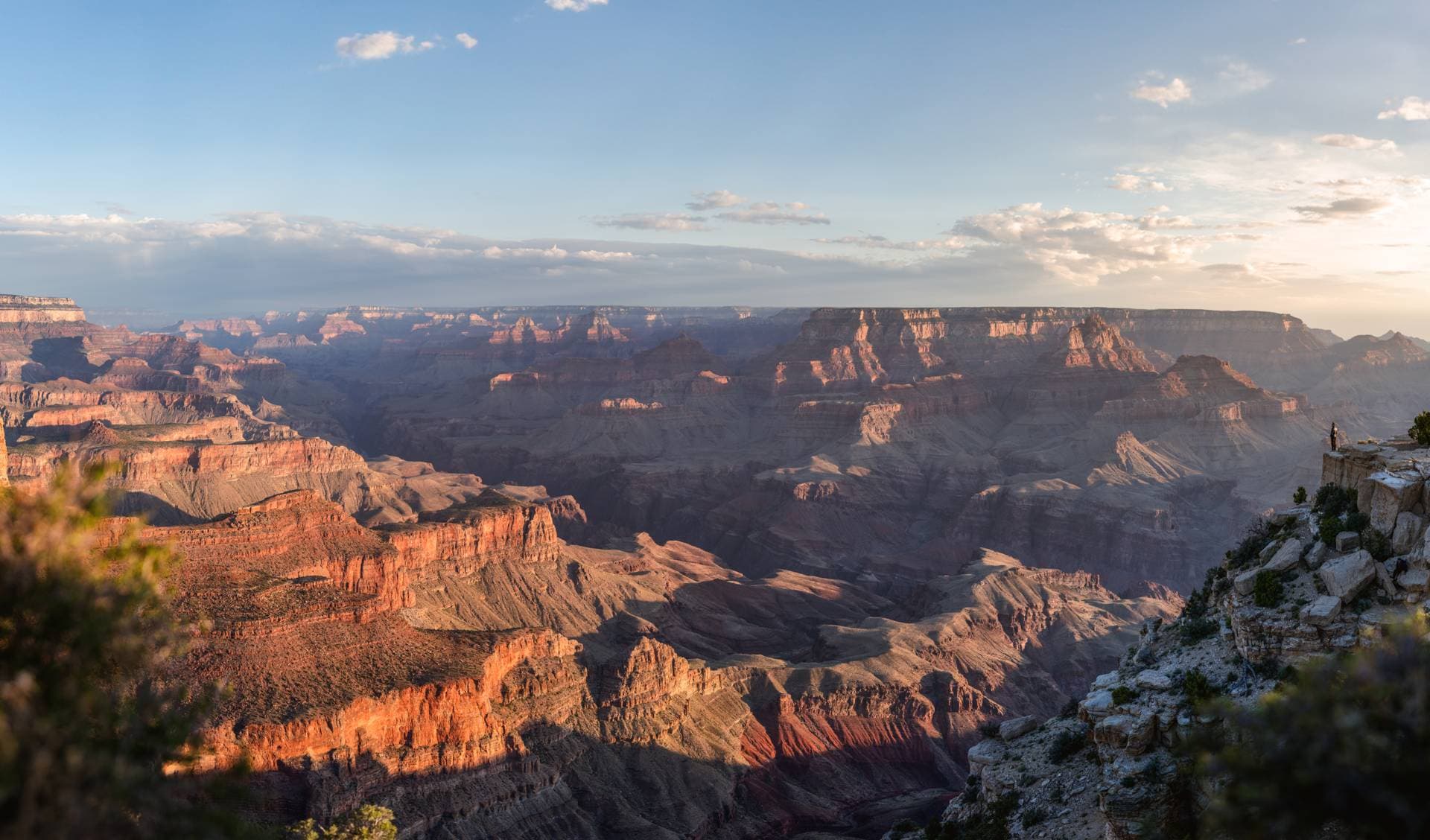
Imagine sending a man who has just completed your program — or who is in the thick of it — forty miles into canyon country with nothing but what he can carry. No phone. No performance. No noise. Just open sky, honest terrain, and a small group of men walking beside him.
What becomes available to him there is different from what becomes available in any clinical setting — not because clinical work is insufficient, but because the wilderness reaches something else entirely. Something ancient. Something that has always known how to heal.
Trails of Transformation exists to partner with the programs already doing great work — extending their impact beyond the walls of treatment and into the wild places where something essential gets remembered.
We are actively seeking 2 to 3 founding partner organizations in Austin who want to offer their clients an experience unlike anything else in the continuum of care. Not as a replacement for what you do — as a powerful extension of it.
The men you serve deserve both. And together, we can give it to them.
Partnership Model
Built to Fit Your Continuum of Care.
We are seeking treatment centers willing to invest in their clients' healing beyond the clinical setting.
Day Expeditions
1-day nature immersion experiences for early-stage clients.
Multi-Day Backpacking
3 to 5 day backcountry experiences for those further in recovery.
Full Expeditions
7-day immersive wilderness journeys for men ready for deep transformation.
What Your Organization Receives
- ✓A differentiated research-backed experiential offering for your clients.
- ✓Documented pre and post-trip wellbeing assessments.
- ✓A deepened continuum of care that extends beyond your walls.
- ✓Community visibility as an organization that invests in whole-person healing.
- ✓An ongoing partnership — not a one-time program.
The men we take into the wilderness are not looking for a vacation. They are looking for a reason to believe in themselves again.
They are looking to be seen — not as their diagnosis, not as their history — but as men with gifts, with depth, with something worth fighting for.
This is for the man who has tried everything and still feels like something essential is missing. Whose healing has happened in rooms, and now needs to happen in the open air. Whose brotherhood has been broken, and who is ready — cautiously, honestly — to trust again.
We believe every man deserves that chance.
Contact
Let's Build Something
Together.
We are actively seeking 2 to 3 founding partner organizations in the Austin area to help shape what this program becomes. Founding partners will have direct input into program design, scheduling, and assessment frameworks.